Ask the Civil War Collector: Relics, Letters, Swords and Authenticity
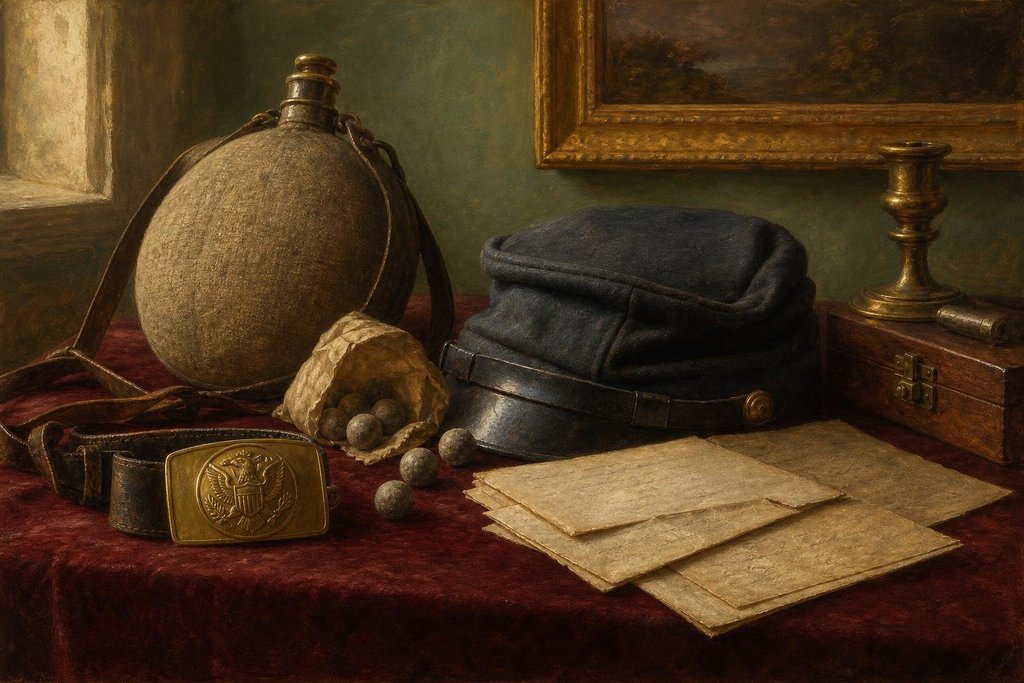

Boots, letters, swords and small personal items from the Civil War come with stories attached. The first question is always whether the object is what the story says, and the evidence to settle it is usually on the object itself.
What Civil War collectors collect
Civil War collecting covers almost anything a soldier wore, carried, wrote or used. The questions a Civil War collector is asked to settle show the range: cavalry boots passed down in a family, a framed letter said to be from Stonewall Jackson, a sword bought online as a model 1852 naval officer’s sword, a miniature pipe handed down from a great-great-grandfather. Each one arrives with a family story or a seller’s description, and each one has to be checked against the object.
The field also overlaps with other collecting areas. Pocket watches made before 1865 are sought by buffs of the period and re-enactors as well as watch collectors, as the guide to antique pocket watches notes. Stereopticon cards, the 3-D photographs of the Victorian parlor, include Civil War scenes such as a Union soldier writing a letter on top of a drum, one of the cards in Cindy Pickett’s collection.
What an appraiser needs to identify a Civil War relic
A Civil War collector asked to appraise an item cannot say much from a family story alone. What helps is a good description of the item, its condition, any manufacturer’s marks and other markings, and clear photographs. Marks matter most, because a maker’s stamp or a model designation can be checked against what genuine examples of that maker and model actually carry, and a mark that is slightly wrong is often the first sign of a copy.
Condition is part of identification too. Wear in the right places, period repairs and the way materials have aged all say something about whether an object is old. A frame, a label or a later mount can be misleading as well as helpful. A letter in a frame stamped on the back by a modern framing company says nothing about the letter, but it does tell you the display was put together long after the war.
Cavalry boots and the shape of the Civil War market
One family found a pair of Civil War cavalry boots and took them to the curator at the Virginia Military Institute, who examined them and confirmed they were authentic. The appraiser identified them as the standard issue used by cavalry and other mounted troops. Such boots are not commonly encountered.
His comments on the market are as useful as the identification. The peak of the market for these collectibles came in the late 1990s and early 2000s, when boots and other commonly used gear were a hot commodity. Since then the market has been much weaker on most items, though great pieces are still sought and new records are still being set. Dealers’ asking prices can stay where they were while few pieces actually sell. His advice was to look at the most recent auction results for comparable items, such as the four pairs of Civil War boots from the estate of the Memphis collector John Ashworth that Cowan’s of Cincinnati sold on November 2, 2016, rather than at old price lists.
Letters and documents: the facsimile problem
Documents are among the most faked and most misunderstood Civil War relics, often innocently. One owner believed he had an original 1863 letter from Stonewall Jackson to Robert E. Lee. The letter was damaged but fully readable, and the back of the frame carried the name “Yorkraft Inc.”
The letter turned out to be a facsimile that has been reproduced many times. The original is in the Library of Virginia, along with other important Stonewall Jackson manuscripts. The display had only a little value as a decorator item. The lesson applies to any famous document: if a letter is well known enough to be recognized, the first thing to find out is where the original is kept. A famous letter may have been reproduced many times, and damage or an old-looking frame does not make a copy authentic.
Swords and modern reproductions
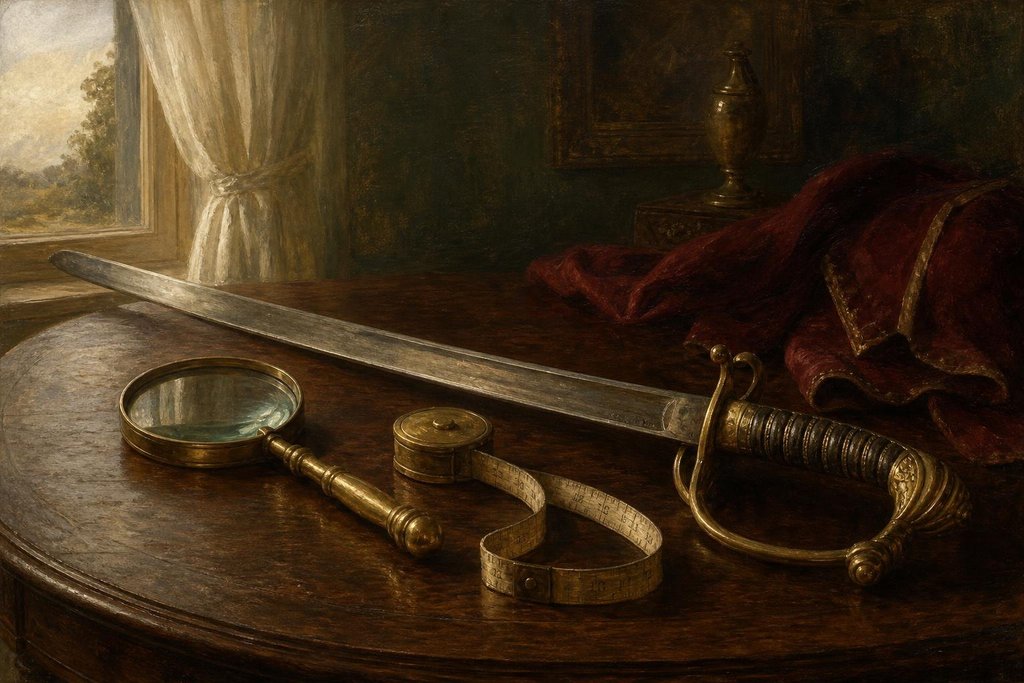
Edged weapons are a common target for reproduction. A buyer purchased a sword online from what he thought was a trustworthy source, listed as a Civil War era Ames model 1852. When his wife went to pick it up, she suspected it was fake, pointing among other things to the maker’s mark.
She was right. The appraiser identified it as a newly made sword, probably from India. A genuine Ames model 1852 naval officer’s sword has a wider blade, a sharkskin grip and etching. The case shows how much a buyer can learn by studying the model before paying: blade width, grip material and decoration are all details that can be compared with documented examples, and an online listing is no substitute for handling the piece.
Small personal items with a family history
Not every question is about a forgery. One owner had inherited a miniature dragon claw pipe that her late aunt said had belonged to a great-great-grandfather. A similar pipe found online read “Frank” on the side, while hers said “O BOY!” and carried a shamrock with the letters “KBB.”
The appraiser confirmed the pipe was indeed of the Civil War era, probably made to hold a small cigar, a “cheroot,” rather than loose tobacco, and noted that a respected Richmond antique dealer was offering an identical pipe. Even without a researched maker, a matching example in a dealer’s stock helped place the piece in its period.
The Civil War and the wider antiques trade
The war left marks on objects that are not battlefield relics at all. Lead was in short supply during the war, and in 1863 William Leighton, working for Hobbs, Brockunier and Co., invented a glass formula that substituted soda and lime for the lead, a turning point told in the guide to Vaseline glass. For the methods of checking marks, wear and reproductions on other antiques, see Antique Detective.
Related reading
Questions and answers
How do I find out if my Civil War relic is real?
Gather a good description of the item, its condition, any manufacturer’s marks and other markings, and clear photographs, then compare them with documented genuine examples. For a famous document, find out where the original is kept. For weapons, check details such as blade width, grip material and etching. An appraiser or a curator, such as the one at the Virginia Military Institute who examined a pair of cavalry boots, can confirm authenticity.
Is my Stonewall Jackson letter to Robert E. Lee an original?
Probably not. A well-known 1863 letter from Stonewall Jackson to Robert E. Lee has been reproduced many times as a facsimile, and the original is in the Library of Virginia with other important Jackson manuscripts. One owner’s framed copy, marked “Yorkraft Inc.” on the back, turned out to be a facsimile with only a little value as a decorator item.
How can you tell a fake Ames model 1852 sword?
A genuine Ames model 1852 naval officer’s sword has a wider blade, a sharkskin grip and etching. One sword sold online as a wartime Ames 1852 was identified as newly made, probably in India, after the buyer’s wife noticed problems with the maker’s mark. Study the model’s documented features before buying.
Are Civil War relics still in demand with collectors?
According to an appraiser writing in 2017, the market for these collectibles peaked in the late 1990s and early 2000s and has been much weaker on most items since, with dealers selling few pieces. Great items were still sought, though, and new record prices were still being set. Recent auction results are a better guide than old price lists.
What should a Civil War collector look for besides weapons and uniforms?
The field reaches into personal items and related fields. Miniature pipes for small cigars called cheroots, letters and documents, pocket watches made before 1865 and stereopticon cards showing wartime scenes all attract collectors. Each should be checked for marks, period construction and a credible history, just like boots or swords.