
Celebrity Artist: Robert Shields
Millions knew him as the silent half of Shields and Yarnell. In Sedona, Arizona, Robert Shields turned the same gift for storytelling into masks, metal sculpture, jewelry and paintings.
Robert Shields of Shields and Yarnell
Robert Shields is known to millions as the male half of the mime duo Shields and Yarnell. In the late 1970s the pair were popular enough to get their own variety show on CBS. Before that they were regulars on The Mac Davis Show and The Sonny and Cher Show, where they introduced viewers to their own mix of “new vaudeville” and physical comedy.
After the show was cancelled, Shields and Yarnell kept performing together in venues from Las Vegas to Broadway, and they were married for eleven years. As of 2004 they still performed together about twice a year, in smaller halls but to the same enthusiastic applause.
By then Shields had added sculptor, painter, writer, retailer and entrepreneur to his resume.
Robert Shields Design in Sedona, Arizona
Shields owned Robert Shields Design in Sedona, Arizona, where he had lived for about 15 years at the time of the 2004 interview. He and a staff of about 40 produced what he called “a celebration of imagination,” much of it inspired or created by Shields himself.
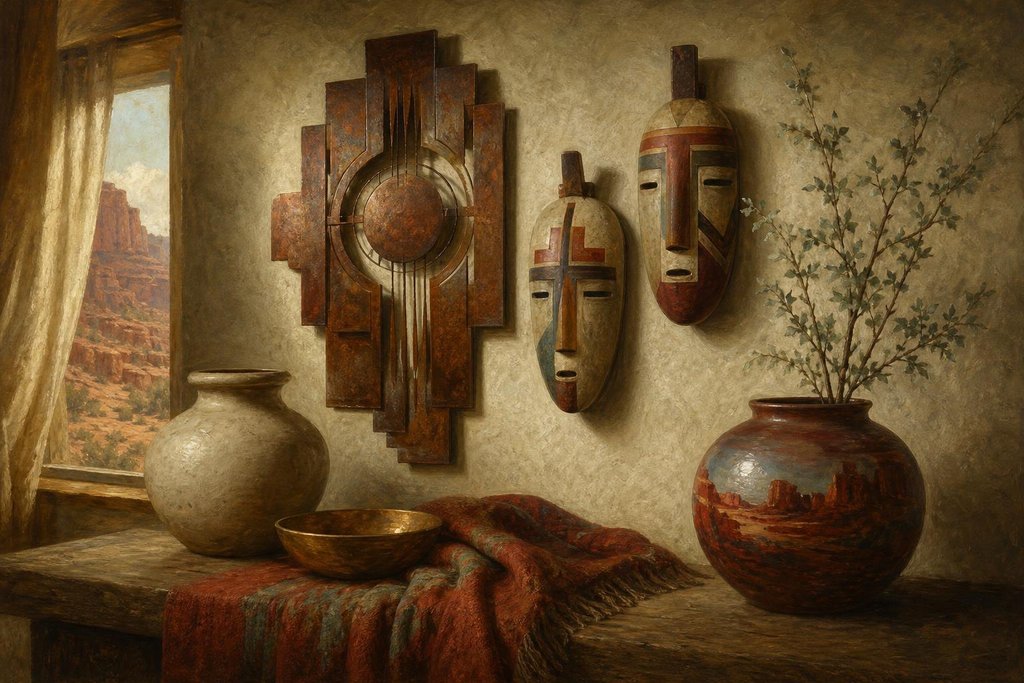
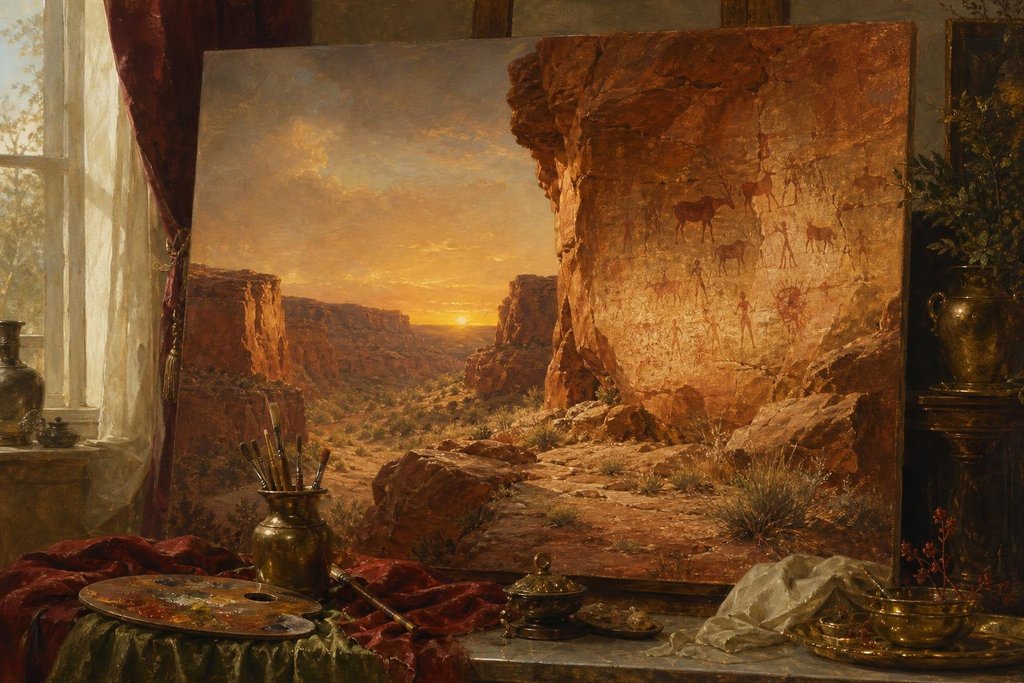
The Southwest runs through the work: the glowing red rocks, the drenched sunsets, the ancient cave art. It shows up in metal wall art and resin collectibles, masks, hand-painted wooden pieces, art prints, jewelry and pewter. His whimsical designs came from his performing side, his Southwestern pieces from his surroundings.
Twelve years after its founding, the company ran four retail stores, all in and around Sedona, served more than 1,000 retail accounts and appeared four times a year on QVC. That was a long way for a man who did not talk until he was four, flunked the third grade and stuttered until he was seventeen.
From Robbie the Robot to Marcel Marceau’s school
Shields was born and raised in California, the youngest of three children. He was picked on and humiliated as a boy, but he found he had unusual physical gifts, including the ability to go without blinking for an hour and twenty minutes. He perfected his body control and, after high school, went to Canada to join a traveling circus as “Robbie the Robot.”
Later the mime Marcel Marceau saw him perform at the Hollywood Wax Museum and was impressed enough to offer him a full scholarship to his school in Paris. Shields accepted, but the apprenticeship was short. He was restless, wanted his own style and believed mime needed to be knocked off its arty pedestal and put in the streets.
He chose Union Square in San Francisco as his stage and was soon called the city’s main tourist attraction, along with the cable cars. Red Skelton saw him there and said, “There are perhaps 35 great clowns left in the world. Robert Shields may be the best one there is.” Marceau called him “the greatest mime in America.”
Meeting Lorene Yarnell and the road to television
In 1972 Shields met the dancer Lorene Yarnell, already an established Broadway and television variety performer. The chemistry was instant. After first connecting at a Renaissance Faire, they met again while filming a TV show. She gave up her career and moved to San Francisco, and each taught the other: he learned dance, she learned mime.
Then they performed in the streets as a team. An appearance on the Ted Mack Amateur Hour led to a move to Los Angeles and the regular spot on The Mac Davis Show, and before long Shields and Yarnell went from guest performers to stars in their own right.
In the 1980s, after their series ended, Shields toured internationally with a one-man show. He turned inward, with a strict regimen of mime, yoga, meditation and prayer, and his search took him to Japan, Europe and most places in between. He thought of modern America as a country without tradition until he explored the Southwest.
Southwestern colors, beads and native art
Sedona suited many of his passions: humor, ancient culture and art. Moving there in the late 1980s set off a rush of creativity. The vivid colors and natural beauty of the Southwest went into his paintbox and his designs. Years of travel had given him a love of beads, which he used on his jewelry and metal sculptures.
Meeting people of many cultures, he developed a love for native peoples, their traditions and their art. His storytelling moved from the stage, where he told stories with movement, to jewelry, sculpture and painting, where he told them with color, form and symbols. Painters who drew on a single regional landscape, such as Florida’s Highwaymen, offer a useful comparison.
“I’m a complete art factory,” Shields said. “Even when I write to someone, the envelope is painted. I live in a museum of fantasy, puppets, masks and dolls. Since the world is an illusion (we all know that), part of art is that you’re creating more dense matter, more material things.”
Why a mime makes masks
Given a life spent in mime, it is no surprise that Shields devoted much of his time to mask making. “The Commedia dell’Arte had a great influence on me,” he said. “It taught me how easily the personality of the wearer could be replaced with a being from another world. A mask has that power.”
That power, which he said “springs from emotional, non-rational meanings of which people are not even aware,” is what led him to put his hands into clay and make his own transformations. Masks have a following among collectors too; actress Yvonne Craig built a collection of African masks.
“We all wear invisible masks,” Shields said. “We laugh when we feel pain. We say ‘fine’ when we aren’t. Some people succeed in removing these masks. Others never do. The mask defines an emotion and a feeling that has always been an integral part of my work as a mime artist.” Another performer who moved from the screen to the easel is Barbara Carrera.
Questions and answers
Who is Robert Shields of Shields and Yarnell?
Robert Shields is the male half of the mime duo Shields and Yarnell, who had their own CBS variety show in the late 1970s after appearing on The Mac Davis Show and The Sonny and Cher Show. He trained briefly at Marcel Marceau’s school in Paris and first made his name performing in San Francisco’s Union Square.
What is Robert Shields Design?
It is the art and design company Shields founded in Sedona, Arizona. In 2004, twelve years after its founding, it employed about 40 people, ran four retail stores around Sedona, served more than 1,000 retail accounts and appeared four times a year on QVC, selling masks, metal wall art, jewelry, pewter and prints.
How did Robert Shields and Lorene Yarnell meet?
They met in 1972, first at a Renaissance Faire and again while filming a TV show. Yarnell, already a Broadway and TV dancer, moved to San Francisco, where she taught him dance and he taught her mime. They performed in the streets, then on the Ted Mack Amateur Hour and The Mac Davis Show.
Why does Robert Shields make masks?
Shields said the Commedia dell’Arte taught him how a mask can replace the wearer’s personality with a being from another world. As a mime he saw masks as the expression of emotion, and he said everyone wears invisible masks, laughing in pain or saying fine when they are not.
Further reading
Elsewhere on the web: Robert Shields Creations, the artist’s own site for his design work.