
An Interview With Mike Wolfe of American Pickers
In 2011 American Pickers drew more than five million viewers. Mike Wolfe explained how the show began, what separates a collector from a hoarder and which pick still haunted him.
How Mike Wolfe sold American Pickers to the History Channel
By early 2011, American Pickers on the History Channel had become a phenomenon. More than five million viewers followed Mike Wolfe and his partner Frank Fritz as they knocked on doors along back roads, and the program had been the number one new cable show of 2009. Collectors credited it with giving the antiques trade a jolt of new energy.
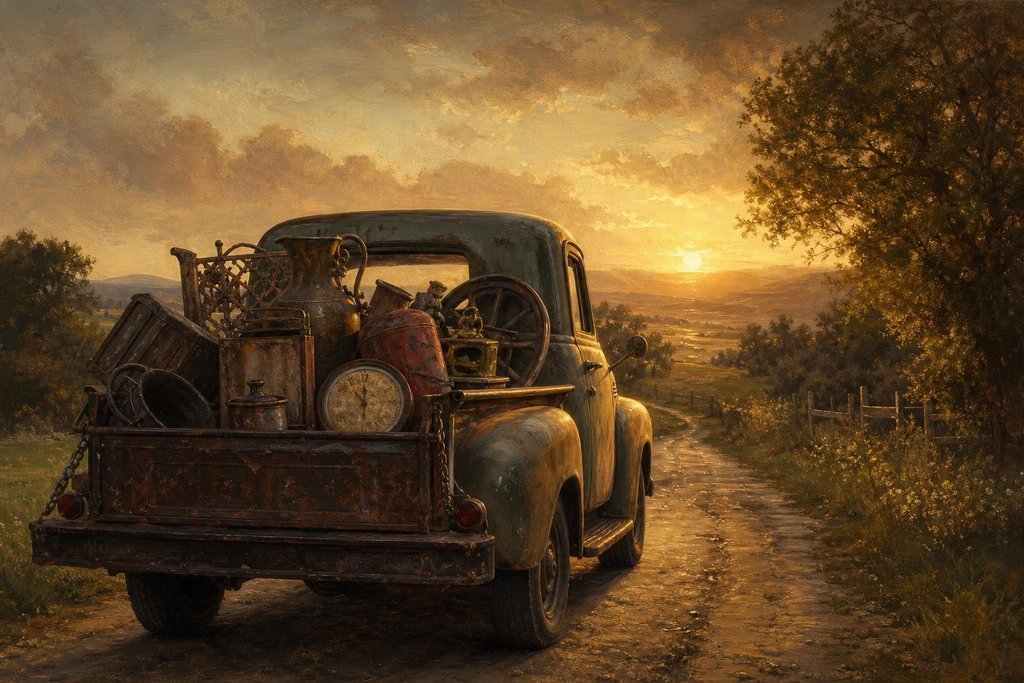
None of it came quickly. “I pitched the show for five years,” Wolfe said. Before that, he was simply on the road finding things. When he told friends about his trips, they told him to buy a video camera. He did, put it on the dashboard and talked into it as he drove. He posted the videos on his website and used them to pitch the concept until the History Channel bought it.
He also chose the name and format with an eye to the future. The History Channel owns both, so the show could be produced in other countries. At the time of the interview, Canadian Pickers was being filmed for History Canada, which already aired the American version.
The collections and back stories that interest a picker
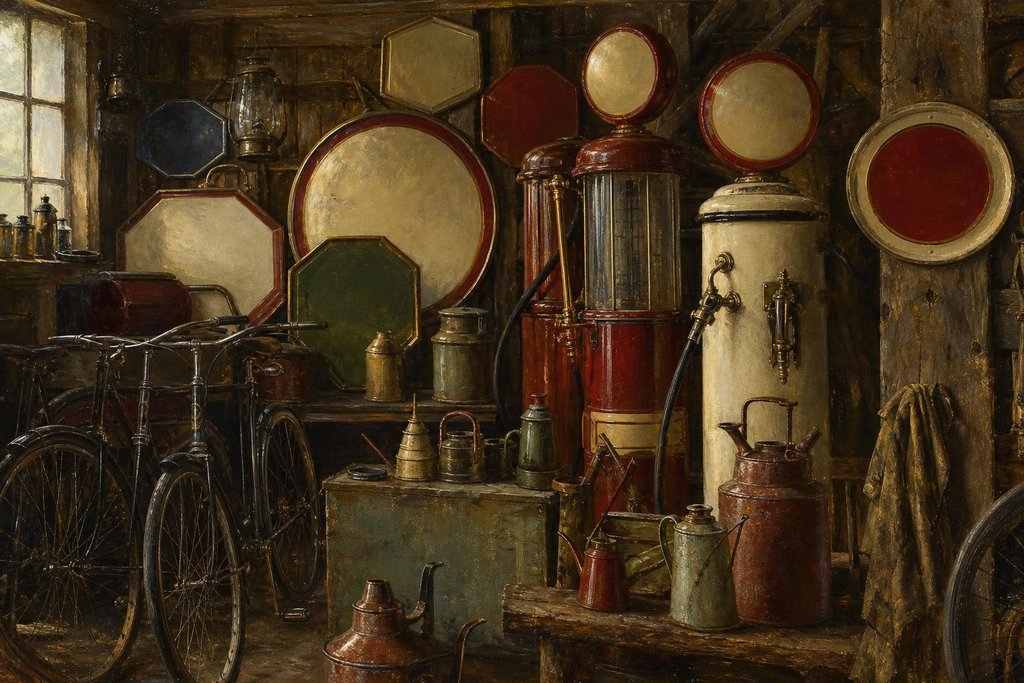
Asked which collections had amazed him, Wolfe described a judge in Florida with a huge collection of petroliana: signs and gas pumps piled on top of each other rather than cleaned and set out on display. The judge had worked in a gas station when he was 13, and that one experience shaped the rest of his collecting life.
“That’s what interests me,” Wolfe said. “I go in, and people have one hundred or one thousand of one thing, and it’s the back story that is intriguing to me.”
One man he picked had been “the curator of his life” since he was about seven, preserving and categorizing everything he owned. He still had all he had brought home from a 1973 Boy Scout Jamboree, T-shirts, pennants and patches, sorted in a bag “like CSI.” Wolfe found it moving that someone loved his things so much he could not let them go.
The other side of that is loss. Wolfe mentioned Hobo Jack, who collected Victorian-era goods and kept them in an old building where they were rotting. “People never want to let go, and it ends up deteriorating,” he said. That was part of why he started the show: to tell those stories, show the objects and put them back into circulation. “It is the best job in the world. We take things and sell them and put them in their place.”
Collector or hoarder: where Mike Wolfe drew the line
Some of the people on American Pickers live among towering stacks, and viewers sometimes compared them to the subjects of Hoarders. Wolfe had watched that show and saw one thing in common: the thrill of the hunt. “That’s the same thrill we get,” he said.
The difference, in his view, was pride. “The people we come across are collectors; they are proud people who are proud of their collections. On Hoarders, no one was proud.” Even when a collection is stacked to the rafters, he said, the owner is still proud of it. “That’s the separation between a collector and a hoarder. A hoarder may start out proud, but they aren’t in the end.”
The strangest visit may have been to the Mole Man, who had been digging tunnels under his house since 1968 until the whole home was underground. Wolfe called him a good guy with great stuff, but said he would not have gone in without a film crew. They could show only about a quarter of what they filmed: two days of shooting became six minutes on air.
Petroliana, bikes and the picks that got away
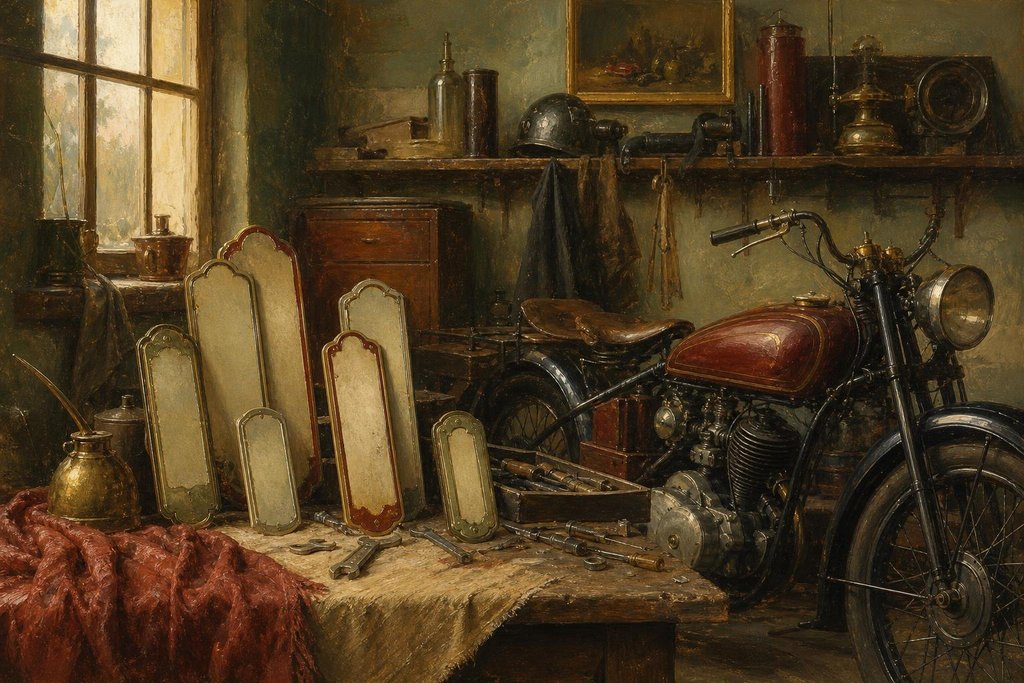
Viewers came to know Wolfe’s favorite categories: bicycles, motorcycles, petroliana, toys and coin-operated machines. He said he bought more widely than the show suggested, including modern furniture, and that “industrial is hot now.” He might buy 30 things on a stop and only two would make it on air.
Much of what he wanted was never for sale. “Seventy percent of the stuff I find, I can’t buy,” he said. The one that haunted him was a pre-1915 motorcycle. “That’s what keeps me on the road.” Early bikes like that draw some of the most devoted collectors in the hobby, including Billy Gray and his racing motorcycles and Jay Leno’s garage.
Not every door opened kindly. Once, a man answered with a pistol pointed at Wolfe’s face. “All I could think of to say was, ‘Hey is that for sale?’” he recalled. He did not buy anything there, and he said he could count on one hand the times he had been run off.
Appraisals, fair dealing and finding places to pick
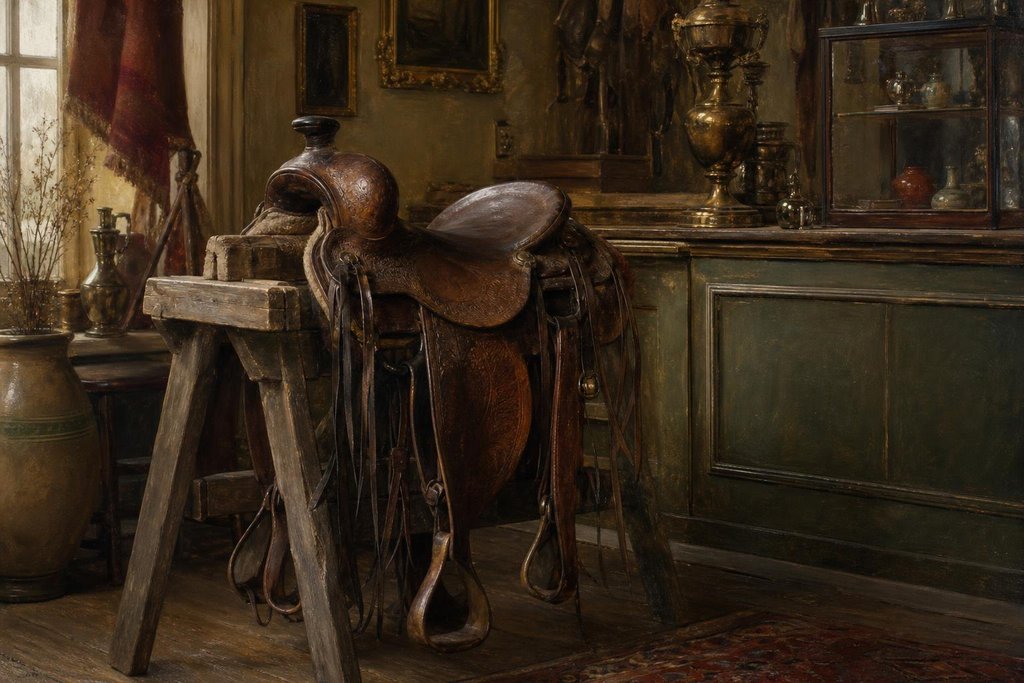
Viewers often asked whether sellers raised their prices after seeing an item’s value on television. Wolfe answered with the saddle story, the first saddle he ever bought. Someone had appraised it at $5,000. He listed it on eBay and it did not sell. He finally sold it in his shop for $150, and only because the buyer wanted him to sign it. “What it is worth is what someone is willing to pay for it,” he said. Anyone who follows what sells on eBay will know the gap between an appraisal and a sale.
He had gone back and paid sellers more for things he bought from them. His business before the show was built on leads and referrals, he said, and giving a seller more money “is good for your mojo.”
Finding stops was no longer a problem. In 2011 the show received 10,000 emails a week from people who wanted their collections picked. Before that, Wolfe ran ads in small towns and talked with local chambers of commerce, museums and people who had collections. He had picked both coasts and, for the previous ten years, made his living mostly in the East because of the barns, where it was common to find three or four generations of belongings.
On the road two to three weeks a month, he was back at his shop in LeClaire, Iowa, early on his days home. Tour buses brought around 300 people a day. Three shops in town had closed in the previous three years, he said, but the show had people emailing about the trade and caring about it again. He was 45 and Frank was 46, and at antique shows they were usually the youngest people there, so the young viewers in their early twenties mattered to him. “That’s the CPR needed in this industry.” He planned to open a second shop in Nashville that spring and said viewers would see more of office manager Danielle Colby Cushman in the new season.
Mike Wolfe in his own words: bicycles and the Indian motorcycle barn
Wolfe’s first big score came at five, when he found a pile of old bicycles on trash day in his neighborhood. He was always bringing home old bottles and other odds and ends. “I never thought of it as junk: to me, it was beautiful.”
He raced bicycles competitively in his twenties and opened a bike store and repair shop in his hometown of Bettendorf, Iowa. Customers kept telling him about vintage bikes for sale, which he bought and resold. When he added Italian scooters and motorcycles, picking became more than a hobby. He closed the shop, bought a van and started Antique Archeology.
His best pick began with a classified ad in a motorcycle magazine: “BUY-SELL-TRADE INDIAN MOTORCYCLES.” An older man on the phone said a few rusty bikes were still in the barn. Wolfe drove 800 miles overnight to Pennsylvania. When the farmer opened the door, there were 10 vintage Indian motorcycles and two more barns full of spare parts. “A mega pick of a lifetime,” he called it.
Questions and answers
How did American Pickers start?
Mike Wolfe pitched American Pickers for five years. Friends told him to film his picking trips, so he put a video camera on his dashboard, talked into it while driving and posted the videos on his website. He used those videos to pitch the concept and eventually sold it to the History Channel.
What is the difference between a collector and a hoarder, according to Mike Wolfe?
Wolfe said both share the thrill of the hunt, but the collectors on American Pickers are proud of their collections even when items are stacked on top of each other. On Hoarders, he said, no one was proud. A hoarder may start out proud but is not in the end.
How old were Mike Wolfe and Frank Fritz on American Pickers?
At the time of the 2011 interview Mike Wolfe was 45 and Frank was 46. Wolfe said that at antique shows they were usually the youngest people there, which is why he valued the many viewers in their early twenties as new blood for the collecting trade.
What was Mike Wolfe’s best pick ever?
Wolfe answered a classified ad reading “Buy-Sell-Trade Indian Motorcycles” and drove 800 miles to a farm in Pennsylvania. The barn held 10 vintage Indian motorcycles, and two more barns were full of spare parts. He called it a mega pick of a lifetime.
Where is the American Pickers shop?
In 2011 Mike Wolfe’s shop, Antique Archeology, was in LeClaire, Iowa, where tour buses brought about 300 visitors a day. He was planning to open a second shop in Nashville that spring. He grew up in nearby Bettendorf, Iowa, where he once ran a bicycle store.
Further reading
Elsewhere on the web: Antique Archaeology, Mike Wolfe’s antiques business.