
The Celebrity Collector - Allan Rich
A blacklisted actor turned Madison Avenue art dealer, Allan Rich filled his Hollywood Hills home with cast-iron mechanical banks, travel dolls and works by Bacon, Picasso and Warhol.
Allan Rich, the character actor you have seen before
Allan Rich belonged to that large group of Hollywood character actors whose names draw a blank but whose faces spark instant recognition. He had been acting since 1943, when Milton Berle got him his first job, a small part on Broadway, at the age of 17.
Early in his career he worked with Edward G. Robinson, Claude Rains and Henry Fonda. His later film credits included Steven Spielberg’s Amistad, where he played Judge Juttson; Disclosure, as Demi Moore’s attorney; Robert Redford’s Quiz Show, as former NBC president Robert Kintner; a doctor in Jack with Robin Williams; and A Rich Man’s Wife with Halle Berry. He was cast as a judge or a lawyer often enough that it became something of a specialty.
Away from the camera, Rich was a veteran collector of mechanical banks, toys, stuffed animals, dolls and art. Each of those collections had its own origin, and the art came first out of necessity.
From the blacklist to a Madison Avenue art gallery
Rich was blacklisted during the McCarthy era of the 1950s and suddenly found himself out of work. He spent a while as a stockbroker, then moved into modern and contemporary art and opened his own gallery on Madison Avenue.
He became an expert in the field rather than a simple dealer. Rich published graphics by Salvador Dali, Joan Miro and Alexander Calder, sold major paintings to important collectors and became friendly with several well-known artists of the day.
One of those friends was Karel Appel, the Dutch abstract expressionist painter. Appel knew that Rich collected 19th-century mechanical banks, and he loved them too. “So we made a trade,” Rich said. “He gave me a dozen or so original paintings, and I gave him a bunch of my banks. It was a good trade for both of us, because he loved the banks and I love his artwork. But I must admit, I miss those banks.” After the swap he still had about 15, all cast iron.
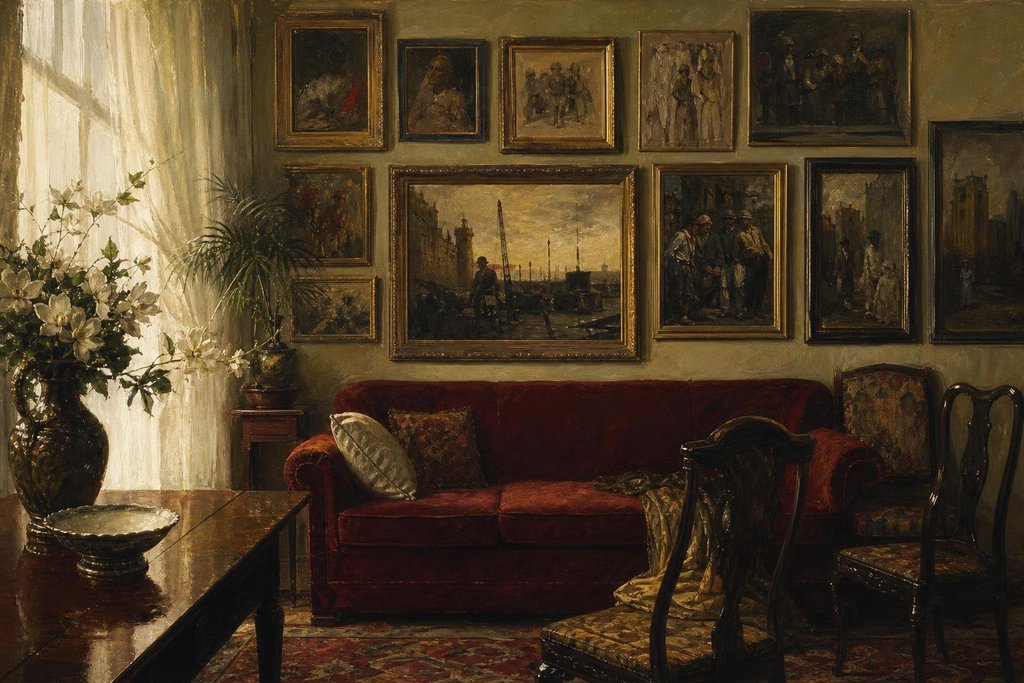
The art he kept says a good deal about his years in the trade. A work by Francis Bacon hung in the entranceway of the Rich home in the Hollywood Hills. Photographs by Man Ray sat in a shadow box. There were Picasso ceramics, including the famous goat vase, four original paintings by Tom Wesselman and signed, numbered silkscreens by Warhol and Lichtenstein. Rich bought two of the Picasso ceramics in France in the early 1970s for about $100 each.
How Allan Rich found his cast-iron mechanical banks
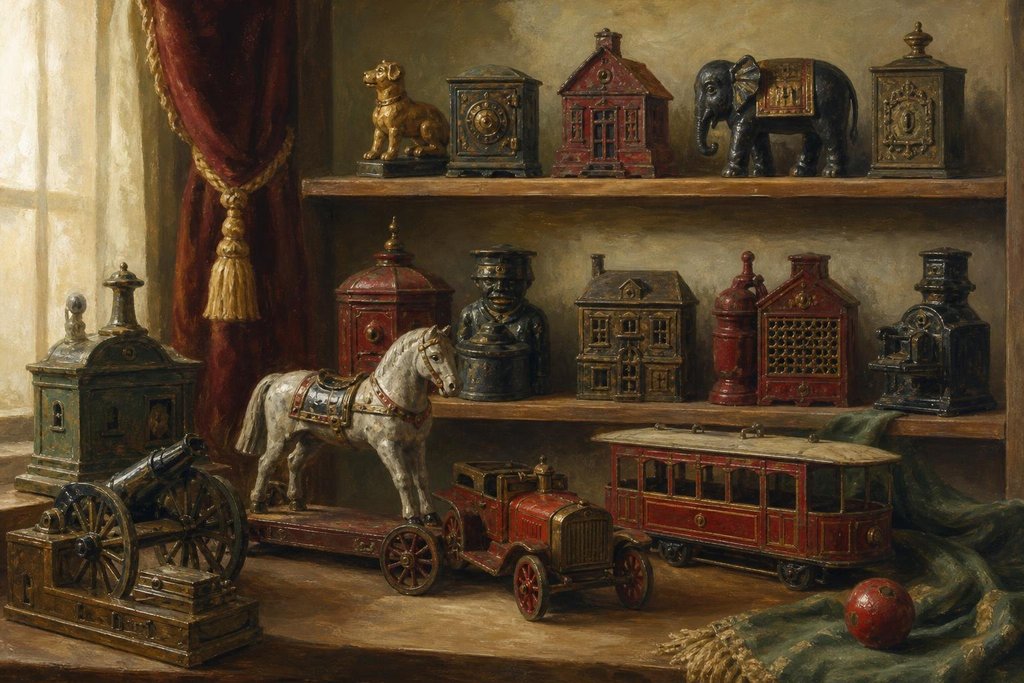
Rich first fell for mechanical banks in the late 1960s, when he and his wife Elaine were living in Massachusetts. “We’d go to these great little antique shops and find them there,” he remembered. Many of his pieces were black Americana banks, among them the “Uncle Remus” model, a category that carries the racial caricature of its era and is collected today as a historical record of it.
Every bank in his collection dated from the 19th century. He also owned about six still banks shaped as soldiers, policemen, dogs and pigs, but the mechanical ones held his interest. “The mechanical banks are just more interesting because they actually perform a little act for you,” he said. One of his favorites was a racing bank: “Pull a tab,” Rich explained, “and the horses run, as in a race. It ends when a penny drops into the bank.”
What makes a mechanical bank different from a still bank
A still bank simply holds coins. A mechanical bank performs some kind of action as it takes the coin, and that bit of theater is why collectors regard these toys as pure Americana.
The oldest example is the Hall’s Excelsior, designed in 1869 by John Hall of Watertown, Massachusetts, for the Stevens Company. It was shaped like a small building. When the doorbell was pulled, a monkey labeled “Cashier” popped out to grab the coin.
The success of the Excelsior set off a flood of cast-iron imitators, and more than 400 types of mechanical banks survive from the period. Among them are the X-Ray bank, which uses mirrors to imitate an X-ray machine, a working merry-go-round and the “fowler” bank, in which a hunter brings down a game bird with a gun that fires caps. Some command handsome prices at auction.
Porcelain and glass banks from the same century can be quite rare for a simple reason: owners usually had to smash them to get at the money. Cast iron survived because it opened rather than broke, which is one reason it dominates the field. Readers who like the mechanics of small objects may also enjoy the hidden-compartment logic of Japanese puzzle boxes.
Dolls and stuffed animals from around the world
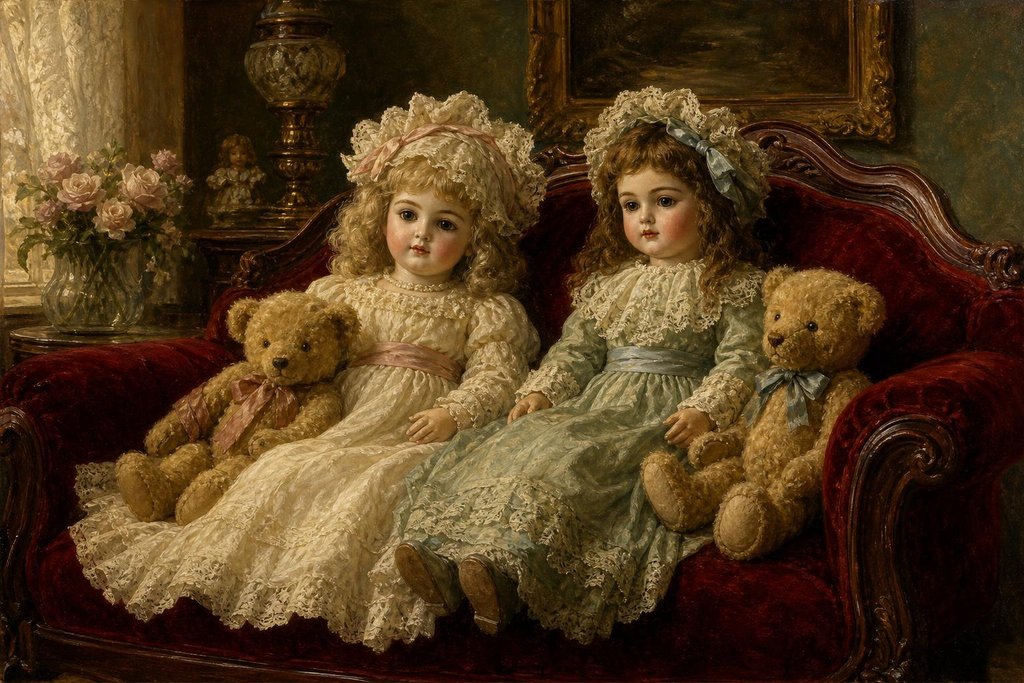
The Riches’ other collectibles followed their travels. “My wife’s got dolls all over the house,” Rich said. “We bought them in Mexico, the Caribbean, China, Japan and Russia.” One was bought at the Hermitage Museum in St. Petersburg. Elaine also owned Franklin Mint dolls, including Princess Diana and Jackie Onassis figures, and a set of hand-made, beaded African dolls from Kenya that Rich found in Santa Monica.
Many of the couple’s stuffed animals came from Alaska and Mexico. Like the banks, these were things picked up in shops and markets along the way rather than bought to fill a list, which gives the collection a personal, souvenir quality.
Allan Rich’s life, the blacklist years and his return to acting
Rich was born Benjamin Norman Schultz in Astoria, Queens, and was 77 at the time of the 2003 interview. When he was six, his family left the neighborhood after a fight. “We were the only Jewish family in the neighborhood, and one day I was walking home from the store and this other kid said, ‘Hey, Jew-Boy,’” he recalled. The two boys wrestled near a dump covered with lime, and Rich pushed the other boy’s face into it without realizing how much it would hurt. Afraid of an anti-Semitic reprisal, his parents packed up and left that night for the Bronx, where “Benjy” grew up in friendlier surroundings.
His acting career began in his teens and work was plentiful until post-war McCarthyism caught up with him, as it did so many others. He did not act again for 15 years. In 1966, with the blacklist lifted, he returned in Ron Ribman’s play Journey of the Fifth Horse. His big break came in 1973, when he was cast as a district attorney in Serpico with Al Pacino.
By 2003 he had appeared in more than 100 television shows, from All in the Family, Kojak, The Rockford Files and Barney Miller to more recent episodes of Judging Amy, CSI and The Division. He had just finished the features Burial Society and Intoxicating and was up for a part in Beyond the Sea, the Bobby Darin film with Kevin Spacey in the lead.
Rich also taught acting through Act Now, his own “organic” method, with students including Sharon Stone, Jamie Lee Curtis, Rene Russo and Alan Thicke. His book on the method drew praise from Jack Lemmon, Walter Matthau and Alan Alda. He was president and co-founder of We Care For Kids, a non-profit that made short live-action films to steer children away from smoking, drunk driving and violent or racist behavior; six had been made and shown worldwide. Other actors with serious collections include Corbin Bernsen and Cliff Robertson, and the collecting habits of an earlier Hollywood figure fill the story of William Randolph Hearst.
Questions and answers
What did Allan Rich collect?
Allan Rich collected 19th-century mechanical banks, still banks, toys, stuffed animals, dolls and art. His art holdings included a Francis Bacon, Man Ray photographs, Picasso ceramics, four Tom Wesselman paintings and signed Warhol and Lichtenstein silkscreens. Most of the dolls were bought during trips to Mexico, the Caribbean, China, Japan and Russia.
What trade did Allan Rich make with Karel Appel?
The Dutch abstract expressionist Karel Appel loved mechanical banks as much as Rich did. Appel gave Rich a dozen or so original paintings, and Rich gave him a group of his cast-iron banks. Rich called it a good trade for both of them but admitted he missed the banks. He kept about 15.
Why was Allan Rich blacklisted?
Rich was blacklisted during the McCarthy era of the 1950s, along with many others in the business, and suddenly found himself without work. He did not act for 15 years. During that time he worked as a stockbroker and then ran his own modern art gallery on Madison Avenue before returning to the stage in 1966.
What is the oldest mechanical bank?
The oldest mechanical bank is the Hall’s Excelsior, designed in 1869 by John Hall of Watertown, Massachusetts, for the Stevens Company. Shaped like a small building, it released a monkey labeled “Cashier” to take the coin when the doorbell was pulled. Its success led to more than 400 surviving types of mechanical banks.
What movies was Allan Rich in?
Allan Rich appeared in Serpico (1973) as a district attorney, Amistad as Judge Juttson, Quiz Show as NBC president Robert Kintner, Disclosure as Demi Moore’s attorney, Jack with Robin Williams and A Rich Man’s Wife with Halle Berry. He also appeared in more than 100 television shows.